ثقافة الجري - Culture of Running
الممارسة الجيدة لرياضة الجري تعني أن الشخص يمتلك ثقافة مناسبة تمكّنه من التدريب بشكل صحيح، وفهم برامج التدريب والأساسيات، وهذا هو الهدف من المقالات التالية.
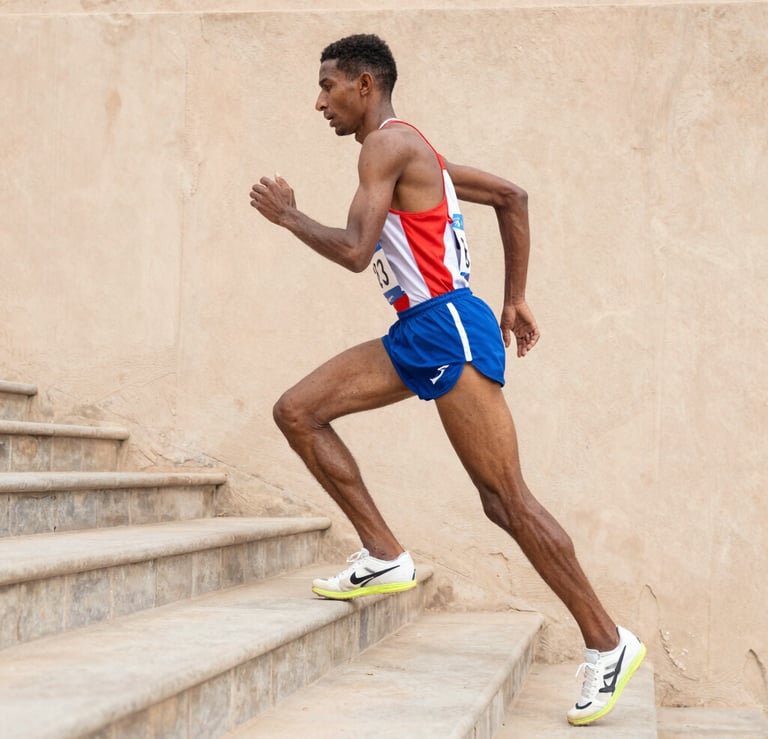
Progressive training التدرج هو أساس النجاح
التدرج في المستوى هو أساس النجاح في رياضة الجري، لأنه يمنح الجسم الوقت الكافي للتكيف. من خلال زيادة الحمل التدريبي تدريجياً، يقل خطر الإصابات ويزداد الأداء بشكل مستدام. هذا النهج يساعد العدّاء على بناء قوة وتحمل طويل المدى دون إرهاق أو إجهاد. وبالتالي يصبح الجري تجربة ممتعة وآمنة تقود إلى تحقيق أهداف واضحة.


أساسيات التحمل في الجري
التحمل الأساسي هو حجر الأساس لكل برنامج تدريبي في الجري. يعني الجري بسرعة منخفضة ومريحة، عادةً بين 65% و75% من الحد الأقصى لمعدل ضربات القلب، حيث يستطيع العداء التحدث بسهولة أثناء الجري. هذا النوع من التدريب يطور قدرة الجسم على استخدام الأكسجين بكفاءة، ويزيد من عدد الشعيرات الدموية والميتوكوندريا في العضلات، مما يحسن إنتاج الطاقة ويؤخر التعب.
من خلال الجري في منطقة التحمل الأساسي، يتعلم الجسم الاعتماد أكثر على الدهون كمصدر للطاقة، مما يحافظ على مخزون الكربوهيدرات لفترات أطول. هذا التدريب لا يبني فقط قاعدة قوية للأداء الرياضي، بل يساعد أيضًا على التعافي بين الحصص المكثفة ويقلل من خطر الإصابات. العداؤون المحترفون يقضون حوالي 70% إلى 80% من وقتهم في هذه المنطقة، وهو دليل على أهميتها الكبيرة.
Endurance Fundamentals in Running
Endurance fundamentals are the cornerstone of any running program. It means running at a low, comfortable pace, typically between 65–75% of your maximum heart rate, where you can still talk easily while running. This training zone develops the body’s ability to use oxygen efficiently, increases capillary density and mitochondrial function in the muscles, and improves energy production while delaying fatigue.
By training in endurance fundamentals, the body learns to rely more on fat as a fuel source, preserving carbohydrate reserves for longer efforts. This type of running not only builds a strong foundation for performance but also supports recovery between intense sessions and reduces injury risk. Elite runners spend about 70–80% of their training time in this zone, which highlights its critical importance.
Good practice in running means that a person has the right culture to train properly, understand training programs and fundamentals, and this is the goal of the upcoming articles.
Progressive training is the foundation of success in running, as it gives the body time to adapt. By gradually increasing training load, the risk of injury decreases and performance improves sustainably. This approach helps runners build long-term strength and endurance without exhaustion. Thus, running becomes an enjoyable and safe journey toward achieving clear goals.
Maximum Heart Rate – الحد الأقصى لمعدل ضربات القلب
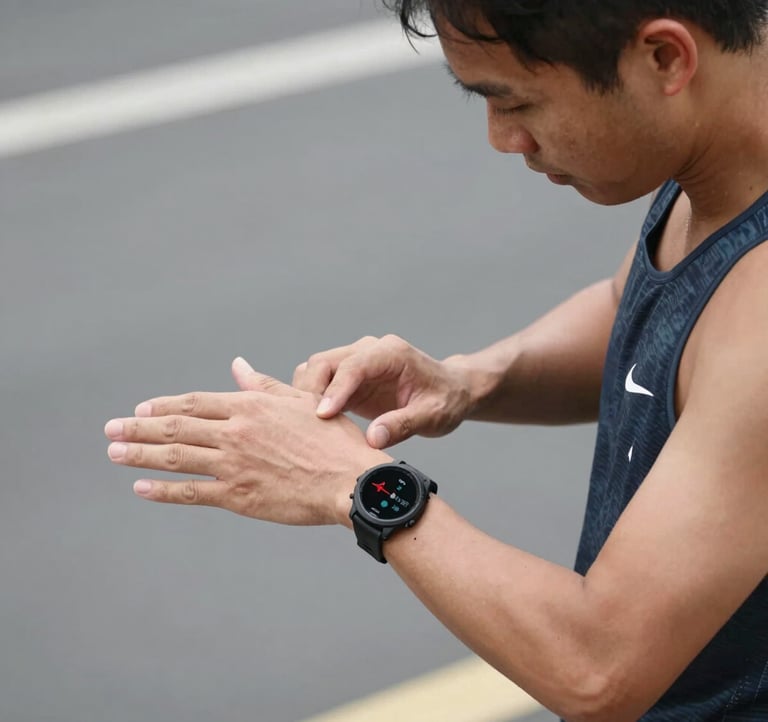
هو الحد الأقصى لعدد ضربات القلب الذي يمكن أن يصل إليه جسمك أثناء بذل جهد بدني شديد. يُعتبر هذا الرقم مؤشرًا أساسيًا لكل من يمارس الرياضة، لأنه يساعد على تنظيم شدة التمارين وتحديد مناطق التدريب المناسبة مثل التحمل، القوة أو السرعة.
الطريقة الأكثر شيوعًا لحساب الـ FCM هي المعادلة البسيطة: 220 – العمر. على سبيل المثال، إذا كان عمرك 30 سنة فإن الحد الأقصى لمعدل ضربات قلبك يساوي 190 نبضة في الدقيقة. لكن هذه الطريقة تبقى نظرية إلى حدّ بعيد، وأفضل وسيلة لتحديد الحد الأقصى لمعدل ضربات القلب هي إجراء اختبار VO2 max. خلال هذا الاختبار يتم التعرف على المؤشرات الفسيولوجية بدقة، مما يسمح بتحديد مناطق التدريب المناسبة بشكل علمي وموثوق.
يمكن تقدير الحد الأقصى لمعدل ضربات القلب (FCM) بالاعتماد على الإحساس بالتنفس والقدرة على الكلام أثناء التمرين، حيث كل مستوى يعكس نسبة تقريبية من الجهد.
50–60% من FCM (التحمل الأساسي): تنفس طبيعي، يمكن التحدث بجمل كاملة بسهولة.
60–70% من FCM (التحمل الهوائي): التنفس يصبح أعمق قليلًا، والكلام يظل ممكنًا بجمل قصيرة.
70–75% من FCM (تحسين اللياقة): التنفس أثقل، والكلام يقتصر على كلمات قليلة.
75–85% من FCM (الجهد مرتفع/اللاهوائي): التنفس سريع شيئا ما، الكلام يصبح محدودا نسبيا، وتظهر زيادة في الجهد.
85–90% من FCM (الجهد العالي جدًا): التنفس شديد الصعوبة، لا يمكن سوى قول كلمة أو كلمتين.
90–100% من FCM (الحد الأقصى): التنفس في أقصى شدته، الكلام غير ممكن عمليًا، وهو أقصى جهد يمكن بلوغه.
هذه الطريقة تعتمد على الإحساس الشخصي وتبقى تقديرية، لكنها مفيدة جدًا خاصة لمن لا يملك أجهزة قياس دقيقة، مع التأكيد أنها لا تعوّض الاختبارات العلمية مثل اختبار VO2 max.
It is the maximum number of heart rate your body can reach during intense physical effort. This number is considered a key indicator for anyone practicing sports, as it helps regulate training intensity and define suitable training zones such as endurance, strength, or speed.
The most common way to calculate FCM is the simple formula: 220 – age. For example, if you are 30 years old, your maximum heart rate would be 190 beats per minute. However, this method remains largely theoretical, and the best way to determine maximum heart rate is by performing a VO2 max test. During this test, physiological indicators are measured precisely, allowing training zones to be defined scientifically and reliably.
Maximum heart rate can also be estimated based on breathing sensation and the ability to speak during exercise, where each level reflects an approximate percentage of effort.
50–60% of FCM (basic endurance): Breathing is natural, and you can speak in full sentences easily.
60–70% of FCM (aerobic endurance): Breathing becomes slightly deeper, and speaking in short sentences is still possible.
70–75% of FCM (fitness improvement): Breathing is heavier, and speech is limited to a few words.
75–85% of FCM (high/anaerobic effort): Breathing becomes faster and heavier, speech is relatively limited, and effort clearly increases.
85–90% of FCM (very high effort): Breathing is very difficult, and only one or two words can be spoken.
90–100% of FCM (maximum effort): Breathing reaches its peak intensity, speech is practically impossible, and this represents the maximum effort achievable.
This method relies on personal sensation and remains an estimate, but it is very useful especially for those who do not have precise measuring devices, while noting that it does not replace scientific tests such as the VO2 max test.
Join RythmeVital
Get personalized training plans delivered weekly